28 FEB 2026 · Digital Media
The 'Gamification' of Everything
By DEMALOGUE, Sabine Jalil
Points, streaks, levels, and leaderboards now show up in study apps, fitness trackers, and campus recycling bins. Here is what that design pattern does, and where it goes wrong.
Introduction
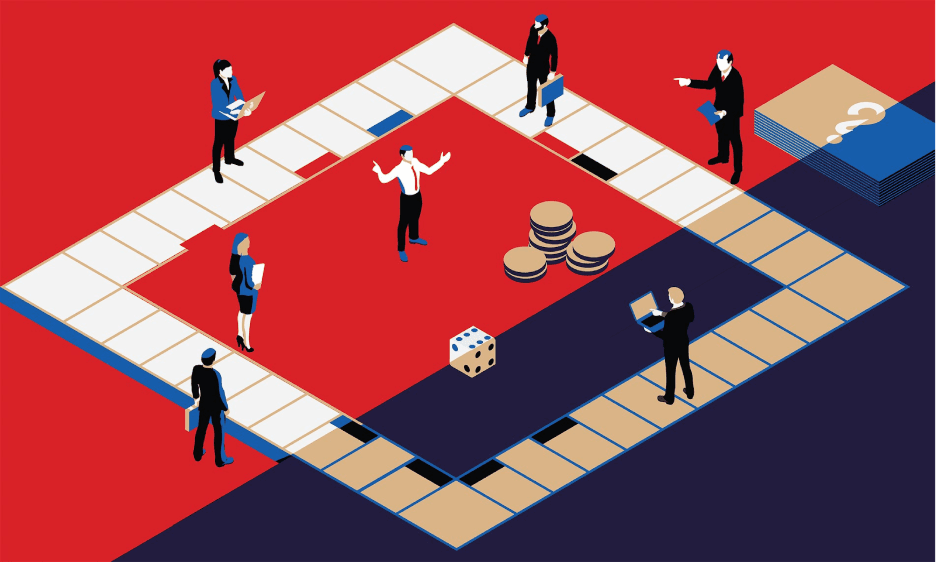
Everywhere you look, it seems that game features have snuck into everything - from rewards at your go-to coffee shop, to the steps tracker apps on your phone or FitBit.
'Gamification' refers to the application of game design features to 'non-game' activities - anything from educational tools to healthcare software. Common aspects include points, streaks, levels, and leaderboards. If you've ever used a tool like Duolingo, Khan Academy, or any kind of fitness app, you're already familiar with these tools. Even everyday features such as likes on Instagram, badges on Reddit, or heart rate and sleep tracking on a smartwatch are examples of 'gamified' features (Gardiner, 2024).
Gamification is a common feature of UX design: a way of keeping users engaged on a platform and motivated to continue a task. Take Flora, a study app that turns daily tasks into something more engaging by rewarding you with a new 'plant' for your garden after each study session. It also includes a social aspect where you can add friends, further boosting motivation through a competitive environment similar to a multiplayer video game. Those who have studied psychology may recognize operant conditioning here. Gamification uses rewards to reinforce certain behaviors (Gardiner, 2024).
Why Gamification?
Using these strategies has become a must-have for businesses when it comes to keeping customers engaged. The rollout of rewards programs over the last decade and a half is one customary example of connecting average purchases to a process that feels rewarding, like in games.
Research also indicates that gamification can open opportunities outside smartphones or computers. Integrating gamification features into urban environments is one development in motion - think of the robot screens on recycling cans across campus - with potential to encourage participation in intensive tasks and even combat burnout (Sharma et al, 2024).
This all begs the question: how can you integrate a 'gamified' experience into your daily life?
How Can You Use It?
One key benefit of gamification is that it motivates you the way your favorite video game keeps you hooked. Using that same psychology to hit a daily steps goal, or to complete an hour of studying while holding friends accountable, goes a long way in keeping you productive and healthy. Research has found that motivation from gamified platforms and habits can support participation in healthy activities (Johnson et al, 2016).
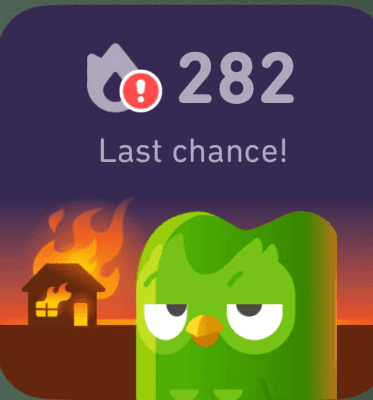
Setting a daily goal is the first step. Maintaining a 'streak' is a common feature of gamified platforms and a helpful way to stay motivated. One infamous example is Duolingo's streak reminders. Setting a goal and creating a timeline to progress toward it is a strong first step.
It's also important to track your own motivational patterns and connect them to habits you already have. Something simple like rewarding yourself with a stroll after you finish an hour of studying is one way to incorporate gamified motivation into a habit.
Gamification also has potential harms. Those who survived CCT109 may recall 'dark patterns' in media technologies that keep you returning even when they promote negative behaviors. One example is unhealthy buying habits tied to rewards programs, where you feel encouraged to buy the next product for points even when you don't need it. Similar patterns show up in gambling platforms (Liberty, 2025). Gamification can also promote comparison to others in ways that lower self-esteem rather than boost it (Almeida et al, 2025).
Keeping your own limits in mind matters. Poorly designed gamification won't help and may become exhausting quickly (Liberty, 2025). Set a healthy mindset around gamified behaviors so the same design features that keep users engaged can support consistent progress toward goals.
References
Sharma, W., Lim, W. M., Kumar, S., Verma, A., & Kumra, R. (2024). Game on! A state-of-the-art overview of doing business with gamification. Technological Forecasting and Social Change, 198, 122988. https://doi.org/10.1016/j.techfore.2023.122988
Johnson, D., Deterding, S., Kuhn, K. A., Staneva, A., Stoyanov, S., & Hides, L. (2016). Gamification for health and wellbeing: A systematic review of the literature. Internet interventions, 6, 89-106. https://doi.org/10.1016/j.invent.2016.10.002
Almeida, C., Kalinowski, M., Uchoa, A., & Feijo, B. (2023). Negative effects of gamification in education software: Systematic mapping and practitioner perceptions. Information and Software Technology, 156, 107142. https://doi.org/10.1016/j.infsof.2022.107142
Source: DEMALOGUE